Posts

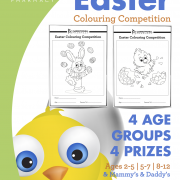
Easter Colouring Competition 2015

Spring is in the air! And you know what that means… EASTER EGGS!

Although its cold and bitter still, we are hopeful that the wintry blues are behind us and we simply cannot wait for the warmer weather to return.

To celebrate Spring, the (hopeful) return to sunshine andto mark the arrival of the Easter Bunny, we are running our annual fun Easter Colouring Competition.

Carrigtwohill Easter Poster

We were blown away by the beautiful pictures we received during last years competition. Picking the winners was an impossible job. With so much incredible talent in our young community we are certain that this year will be the best year yet.

We will be running 4 separate age categories this year so everyone can join in the fun;

2-5 Years
5-8 Years
8-12 Years
Mammys & Daddys (they love chocolate too)

After the fantastic response at Christmas we had to have a special category again for all the wonderful Big Kids aka Adults out there. Now the adult’s colouring skills were no where near as good as our brilliant kids at Christmas so I hope they have been practicing really hard.

Each category winner will receive a big Easter Egg as a prize. Hmmmmmm chocolate.Yummy!

So get your crayons, colouring pencils and markers ready and let the colouring commence!

Call into the pharmacy to collect your pictures and join in on the fun.

Staying Healthy in School | Impetigo

 Carrigtwohill Pharmacy Impetigo

Staying Healthy in School | Impetigo

A more severe illness that can afflict young children is impetigo. It is a common and highly contagious skin infection that causes sores and blisters. It can be quite an upsetting time for any child who contracts it. It often arises from a break in otherwise healthy skin, such as a cut, insect bite, bad graze. it can also be caused from skin damage from another underlying skin condition such as eczema or scabies.

The infection can spread incredibly easily through close contact, either through direct physical contact or sharing towels etc.

Impetigo may improve without treatment given time, but due to the discomfort associated with the infection we would advise talking to the Carrigtwohill Pharmacy team to be advised on the best course of action to alleviate the symptoms and eliminate the infection. Pursuing treatment will shorten the infection to 7-10 days and reduce the risk of passing it on to other children. The main treatments recommended include fusidic acid creams or oral flucloxacillin and are usually prescribed for up to a week.

It is important to take precautions to minimise the possibility of spreading impetigo to other children or family members that your child may come into contact with. It is also necessary to take steps to reduce the risk of impetigo spreading to other parts of the body. Some of the precautions that can be taken include:

  • Not touching the sores if possible.
  • Washing hands regularly.
  • Not sharing towels, clothing, bed sheets etc.
  • Staying away from school, nursery, playgroups or clubs until the sores have dried up or treatment has been continuing for minimum of 48 hours.

Most people are no longer contagious after 48 hours of treatment or once the sores have dried and healed.

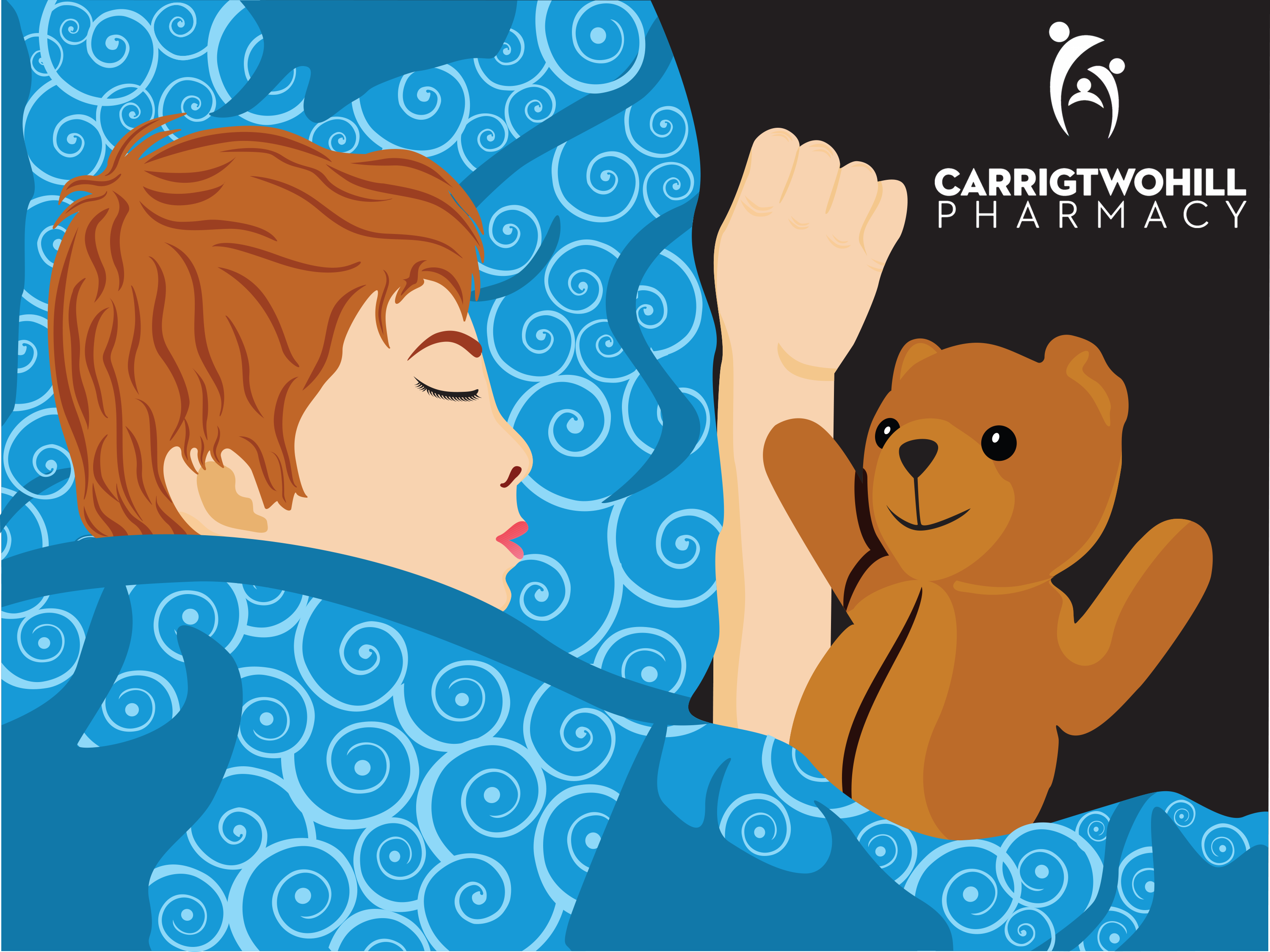
Staying Healthy in School | Quality of Sleep

Carrigtwohill Pharmacy Quality of Sleep

Staying Healthy in School | Quality of Sleep

It may seem obvious, but we cannot stress the importance of a full nights sleep for protecting and promoting the health of your child. Through years of speaking to parents concerned with their child’s energy levels, attention in school and proneness to sickness, we see that in the majority of these cases lack of quality sleep is a contributing factor.

Daily routine is often disrupted during the freedom of the summer holidays and the transition back to school can upset sleep patterns. To avoid the stress of over-tiredness and poor concentration at school, good sleep hygiene leading up t the start of school and continuing through the term is crucial.

Some tips for promoting good sleep hygiene include:

  • Keep consistent bedtimes and wake times – including at weekends.
  • Avoid spending non-sleep times in bed e.g. reading, listening to music, watching TV.
  • Bedtime should follow a predictable series of events e.g. brushing teeth and reading a story.
  • Avoid high stimulation activities before bed e.g. watching TV, playing video games etc.
  • Include physical exercise as part of each day.
  • Avoid caffeine or sugary drinks in the evenings – although it may not prevent falling asleep, they can lead to early awakenings or shallow, disrupted sleep.
  • Children should be put to bed drowsy, but still awake. Letting them fall asleep in other places forms habits that are difficult to break.
  • Keep a sleep diary, to keep track of naps, sleep times and activities to find patterns and target problem areas when things are not working.

Staying Healthy in School | Diet & Exercise

Carrigtwohill Pharmacy Diet & Excercise

Staying Healthy in School | Diet & Exercise

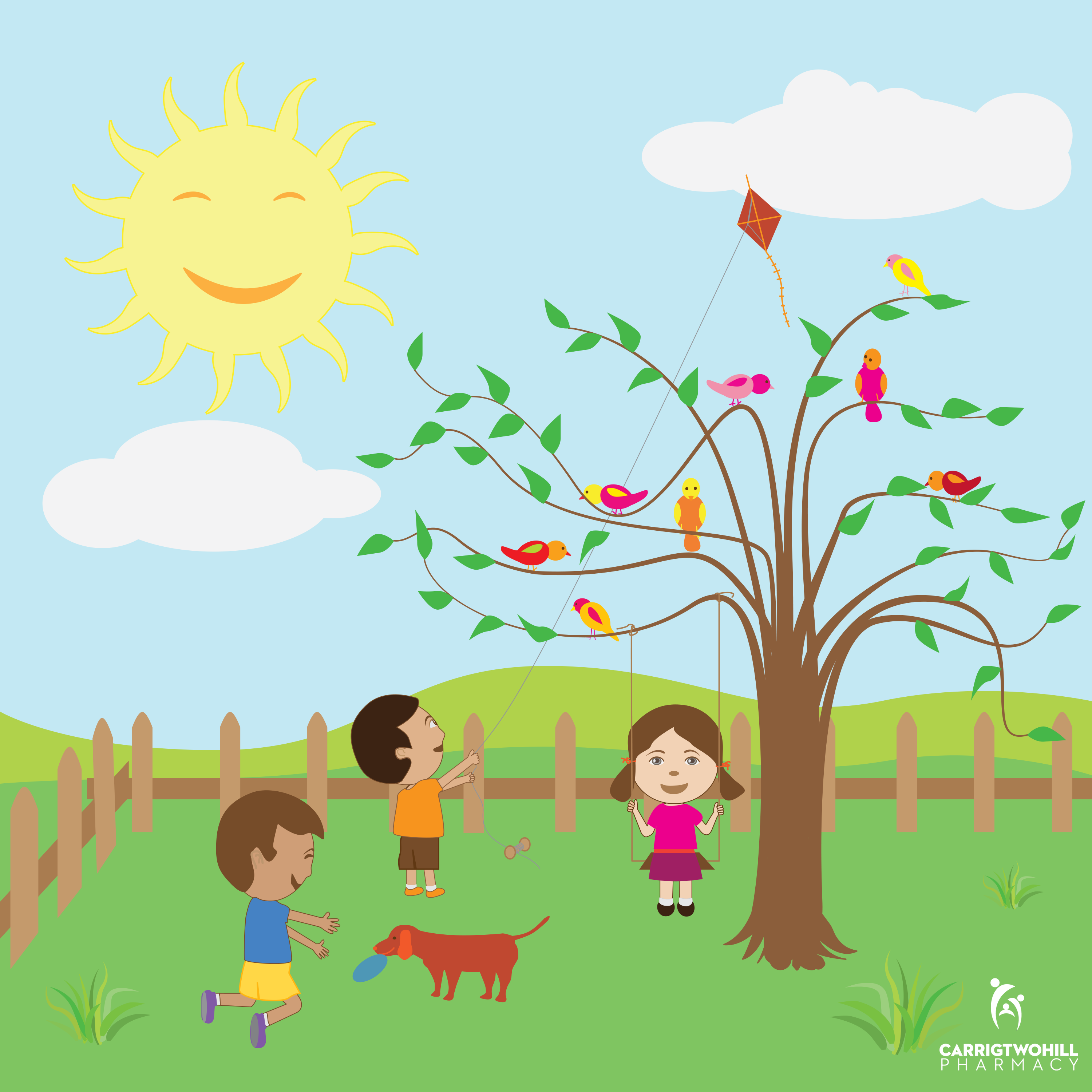
A healthy diet and regular exercise are incredibly important for both the physical and mental development of a child. A consistently healthy diet aligned with continuous physical activity throughout the week will help the child grow and develop. It will also help promote their performance in school e.g. their concentration, energy levels etc.

Foods are the best source of nutrients and even a picky or fussy eater is unlikely to have nutritional deficiencies. A multivitamin may be beneficial if a child is showing failure to thrive, has a particular food allergy or malabsorption syndrome e.g. lactose intolerance or coeliac disease or has a restrictive diet e.g. vegan diet. It is best to talk to your pharmacist to ensure you get the correct multivitamin for your child that is required and is age-appropriate.

The Department of Health recommends that Children aged 6 and over should partake in at least one hour of physical activity per day. In addition, children should participate in muscle-strengthening and bone-strengthening structured activities at least three times per week. There are a variety of local sports and activity clubs right in Carrigtwohill where your children can achieve the recommended amount of physical activity in a fun, structured and safe environment. Joining a club and interacting with their peers will not only help them develop their motor and cognitive skills but also help the development of their emotional and social skills, while letting them explore new interests and learn new skills.

Some of the clubs and groups in your local area include:

Carrigtwohill Pharmacy is dedicated to promoting the health and well-being of all the young people in the Carrigtwohill community and we support them getting involved and trying out as many sports as they can. Obesity amongst children in Ireland is rising at an alarming rate and indeed it is a major health issue across the entire Western world. Sadly, Ireland has one of the highest rates of childhood obesity in the world with 1 in 10 children aged between 5 and 12 being classed as obese.  This trend continues through adolescence with 1 in 5 teenagers being overweight or obese.  Children who are obese are at a higher risk of developing cardiovascular, metabolic, musculoskeletal complications. Furthermore children and teenagers who are obese are more likely to obese all through adulthood.

To discuss the best possible diet for your child why not call into the pharmacy in Carrigtwohill and ask to speak to our team to get some guidance and examples. Information on appropriate nutrition, portion sizes and general childhood exercise can be found on www.nutritionandhealth.ie.

Staying Healthy in School | Worms

Carrigtwohill Pharmacy Childrens Health Care

Staying Healthy in School | Worms

While it may sound alarming, threadworm is actually a common parasitic infection, especially in younger children.

One of the main symptoms is itching along the perineal area especially at night. This can be confirmed by the presence of small, white, threadlike worms in the faeces or in the underwear. Threadworms are only carried by humans and are transmitted by swallowing threadworm eggs passed to the mouth via fingers.

The treatment is relatively simple. It is done by the use of a prescription medicine and hygiene measure (which will be discussed in detail with your pharmacist) should be implemented for six weeks to break the life cycle of the worm. As long as no new transmission occurs the treatment will be a success.

Some of the more general hygiene measures that can be done to reduce the risk of contracting or spreading threadworm include:

  • Keep fingernails short and clean
  • Wash hands and scrub nails after every visit to the bathroom
  • Wash night clothes and bed clothes on the first day of treatment
  • Try to reduce the opportunities for children to place their fingers in their mouth e.g. address nail biting, eating with hands etc.